Unlocking Seamless Migration: Transitioning Azure Storage Account Replication from LRS to ZRS9/12/2023 In the expansive landscape of Azure services, migrating an existing Azure storage account from LRS (Locally Redundant Storage) to ZRS (Zone-Redundant Storage) replication stands as a pivotal choice. Today, Azure offers two distinct pathways for this migration: manual migration and live migration. 
0 Comments
Employing a Terraform Provider tailored for Azure enables seamless interaction with Azure resources and services through Terraform. When targeting deployment to an alternate Azure subscription, specifying the subscription ID within the provider block of your Terraform configuration file is pivotal. 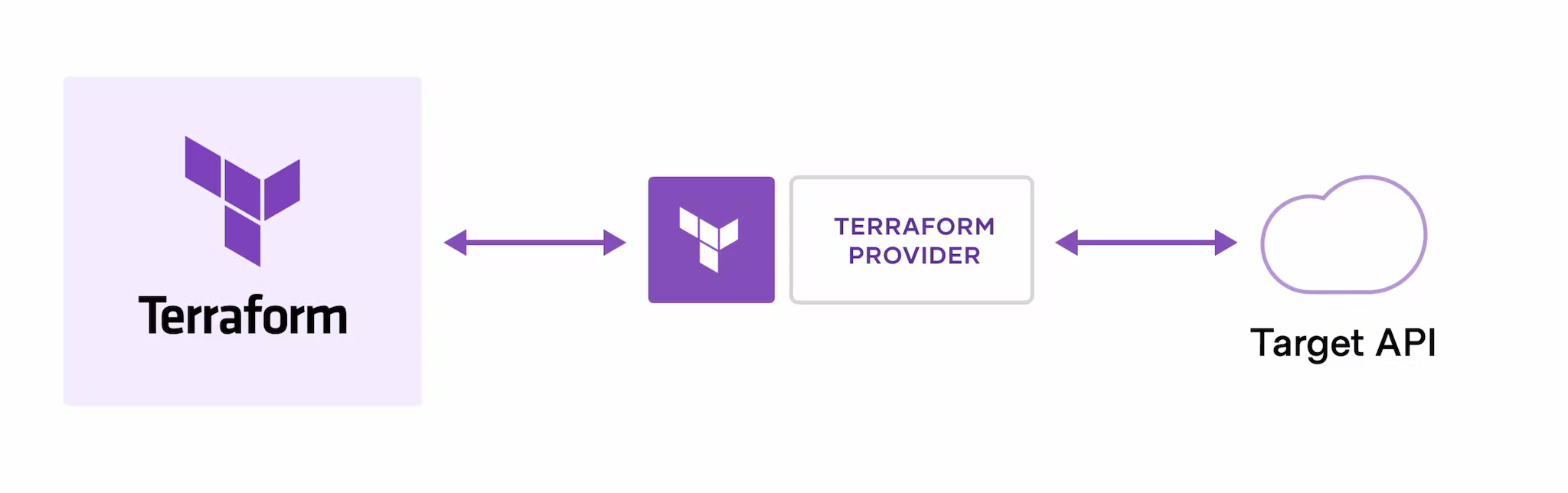 One of the most common questions I encounter is, "Where do the Azure logs go?" Surprisingly, the responses vary from "I have no clue" to "I think we get some of the alerts in the SIEM." This ambiguity highlights a crucial gap in many organizations' understanding of their Azure environment's logging infrastructure  AzureAssess is a pivotal tool for gaining comprehensive insights into your Azure environment. In today's dynamic cloud landscape, staying abreast of your Azure environment's security and management status is paramount.While Azure provides robust tools such as Defender for Cloud and Azure Policies, it's essential to take proactive steps towards continuous improvement. Cloud environments are in a constant state of flux, with new services and vulnerabilities emerging regularly.  Azure Resource Graph is a service in Azure that is designed to extend Azure Resource Management by allowing you to query across Azure subscriptions quickly and efficiently. It allows you to analyze your cloud inventory using complex queries launched programmatically or from the Azure portal. Additionally, the service helps to assess the impact of applying policies in large cloud environments to effectively govern your environment.Azure Resource Graph in a Simple way!  The AzAPI Terraform Provider simplifies the deployment and management of Microsoft Azure resources by providing a streamlined solution built on top of Azure ARM REST APIs. This provider enables the management of any Azure resource, regardless of the Azure ARM API version being used. Its primary advantage is the ability to deploy and manage new Azure resources and properties that may not be supported by the azurerm Terraform Provider, making it a versatile tool for Azure resource management.
|
Author
Mohammad Al Rousan is a Microsoft MVP (Azure), Microsoft Certified Solution Expert (MCSE) in Cloud Platform & Azure DevOps & Infrastructure, An active community blogger and speaker.
Al Rousan has over 8 years of professional experience in IT Infrastructure and very passionate about Microsoft technologies and products. 

Top 10 Microsoft Azure Blogs
Archives
September 2023
Categories
All
|
 RSS Feed
